
Open Your Root Chakra To Abundance! Here’s How

tumblr_m17i0lX45Y1qfpjv8By: Christy Lynn Abram / Source: Mind Body Green

For those of us who live paycheck to paycheck, there’s a level of frustration that lives within us. Our attachment to “not having enough” is so strong it drives us to act on impulse, “stress out” or live in fear. Think about it, how many people do you know who hate their jobs but stay there because they fear they won’t get another?

If you’re having trouble creating and maintaining abundance is your life, you may be working with a blocked root chakra. The root chakra is our connection to the physical world. There, we gain the tools to attain wealth. Keep in mind that wealth doesn’t always mean money. True abundance resides within. However, you must learn how to access it.

Below is a simple five-step technique you can use to attract abundance into your life:

1. Identify the source of your discomfort.

Do you hate your job? Do you fear going for your dream because you feel you’ll never achieve the life you want? Digging within will help you recognize the thoughts and emotions that may be limiting your success. Nurture your fear and anxiety by accepting your current situation and making a conscious decision to create the results you desire.

2. Release what isn’t working.

Once you’ve identified the source of your lack, it’s time to release it into the ether. Get out a piece of paper and name your uneasiness. Start your sentence with “Dear … (list discomfort), I thank you for your concern but I no longer need you. You’ve taught me to trust myself and the process that (your deity) has in place for me. I ask that you leave in peace and continue to send blessings my way.” The next step is to release it. Burn it or tear it up, whatever works for you.

3. Create a security plan.

You’ve identified your discomfort and bid it good riddance. The next step is to create a success plan. The root chakra loves structure, so creating a security plan will help you with activating the root. Write the goals you wish to attain in order.

Remember to affirm your desires in the NOW. For example, instead of saying, “I want to attract more money,” say, “I am fully capable of attracting abundance. Wealth is all around me!” Be practical and set realistic goals. Think about where you would like to see yourself in one, three and six months.

4. Energize your root.

Now that you have your security plan in tow, let’s give it some energy! Fold your security plan four ways. As you fold your plan, affirm your desires and give thanks to your higher self for assisting you through this process.

When your paper is folded, hold your plan near your root (base of your spine) and imagine a bright red light illuminating it. Feel the warmth of the light radiating from your hand to your root and draw your attention to how good it feels to create your wish.

5. Keep on moving.

The last step is ACTION! Yes, you’ll have to do some work to catch up to your abundance. Too often, people believe that their desires will drop into their laps. Though I’ve witnessed some pretty amazing miracles, I know action is the main component of turning dreams into reality. Play close to attention to inspired thought.

The way you recognize inspired thought is that it usually comes out of nowhere (through a person, place or directly from your Divine Source) and answers the questions you’ve been asking. It’s our cosmic aha moment. Please don’t make the mistake of second guessing yourself. If it feels good, move on it!

The more you work with your root you’ll see measurable changes in your life. Remember, the key to building the life you desire is removing your preoccupation with money and focusing on creating abundance. Abundance is plentiful. Money comes and goes. You have the power, use it. You’re more abundant than you know.

The Miracle of Tea Tree Oil: 80 Amazing Uses for Survival

tea-tree-oil-first-aidBy: Gaye Levy / Source: Waking Times

Essential oils have been used for healing and medicinal purposes for centuries and most certainly long before we had pills, capsules and big pharma to take care of our medical woes. And while there is a place for manufactured pharmaceuticals in our survival medicine kit, there exists the possibility that none will be available or that they will be in such scarce supply that they should be reserved for only the most dire of circumstances.

For that reason, many preppers and individuals seeking self-reliance are learning to use essential oils to manage the both routine and not-so-routine maladies that occur in daily life. There are about a dozen or so essential oils that belong in every survival kit including tea tree, peppermint, lavender, clove, rosemary and lemon among others. All of these essential oils have healing properties but today I would like to focus on just one, tea tree oil.

A Brief History Of Tea Tree Oil

It is believed that the Aborigines of Australia have been using the leaves of the indigenous Malaleuca Tree (whose leaves are used to make tea tree oil) in their medications for centuries. They inhaled the oils from the crushed leaves to treat coughs and colds, sprinkled crushed leaves on their wounds and used an infusion of soaked leaves to treat sore throats or skin ailments.

Use of the oil itself, as opposed to the un-extracted plant material, did not become common practice until researcher Arthur Penfold published the first reports of its antimicrobial activity in a series of papers in the 1920s and 1930s. In evaluating the antimicrobial activity, he found that tea tree oil was 11 times more active than phenol.

The commercial tea tree oil industry was born shortly thereafter although interest in tea tree oil ebbed after World War II, presumably due to the development of effective antibiotics and the waning image of natural products. Interest was rekindled in the 1970s as part of the general renaissance of interest in natural products.

80 USES OF TEA TREE OIL FOR SURVIVAL

For thousands of years, the derivatives of the Malaleuca Tree have been effective in treating a wide variety of ailments. Here are 80 reasons why you should use it, too!

Abrasions & Minor Cuts: After cleaning the area well, apply a few drops of the oil directly. If a bandage is needed, allow a few drops of the oil to penetrate a cotton ball, then lay it face down on the wound with a bandage on top.

Acne: Add a drop to your normal cleansing routine or dab a very small amount on acne breakouts. You can also add 20 – 40 drops of the oil to your regular face wash.

Air Freshener: Keep a supply of cotton balls soaked in tea tree oil packed away in a plastic bag or tin. When confronted with foul smells from cooking, musty orders from dampness or even the medicinal smell in a sick room, take a few out the freshen the air and remove the nasty smell.

Allergies: Use topically by massaging into the chest, abdomen or the reflex points of the feet.

Arthritis: To help reduce pain associated with the swelling of arthritis, add 20 drops of tea tree oil to 2 ounces of grapeseed or other carrier oil. Massage into affected area 2-3 times a day.

Asthma: Add a few drops of oil to a pan of water and heat on stove. When cooling, drape a towel over head and breath in for a few minutes.

Athletes Foot: Clean feet thoroughly, especially between toes. Add oil directly to feet every two weeks, dusting with corn starch after. Or add 10 drops oil to 1 tbsp of grapeseed or other carrier oil and massage on feet and between toes daily.

Baby Care: Keep your diaper pail clean and fresh with a spray of tea tree oil mixed with water.

Bacterial Infections: Use topically, either massaging into the reflex points of the feet, adding several drops to a bath or cautiously applying over an infected site.

Bad Breath: Rinse with 1 ounce water and 1 drop oil. Do not swallow!

Bladder Infection: In a shallow bath, add 10 – 15 drops of oil. Sit and wash area carefully.

Blisters: Wash area carefully, then apply as for cuts and wounds.

Boils: Apply a warm washcloth for a few minutes. Then apply a drop or two of oil to the area – the infection should rise to surface and eventually be released.

Bronchial Congestion: Use as directed for Asthma. Add 5 – 10 drops to 1 ounce of carrier oil, and massage into chest and throat 2 – 3 times daily.

Bronchitis: Add 1-2 drops to a pan of hot water and breath in the steam, or massage the oil over the chest.

Bruises: After icing, apply oil as directed for Arthritis.

Bunions: Massage area with 5 drops oil to 1 tbsp. of carrier oil.

Burns: Run icy cold water on area. After a few minutes, add a mix of 5 drops oil with 1 tsp. raw honey. Repeat 3 – 5 times daily.

Calluses & Corns: Massage area with 5 drops oil to 1 tbsp. of carrier oil. Repeat 2 times daily. Once the corn or calluses have become soft use tweezers to remove, and apply a few drops of tea tree oil and cover with bandage.

Canker Sores: Apply a drop or two of oil directly to infected area with a cotton swab, 2 times daily. Also, rinse as directed for bad breath.

Carbuncles: Add a drop or two of oil to cotton swab and apply directly to carbuncle. Repeat twice daily.

Chapped Lips: Add 1 or 2 drops of oil to lip balm. Apply to lips as necessary.

Chicken Pox: Apply a drop of oil directly to blisters. Allow to dry, then dust with corn starch. Repeat every few hours or until blisters disappear.

Chigger Bites: Apply a drop of oil directly to bites.

Cold Sores: Apply a drop or two of oil directly to the sore with a cotton swab. Re-apply 2 – 3 times daily.

Coughs: Use as directed for bronchial infections. For a vaporizer, add 10 drops to steamer and leave on 5 – 10 minutes.

Dandruff: Add 20 – 30 drops oil to any shampoo. Apply a few drops to scalp and massage after washing.

Dermatitis: Add 10 drops oil to 1 tbsp of grapeseed or other oil and massage into affected areas. Repeat 2-3 times daily.

Dry Skin: Add 5 drops oil to 1 tbsp sweet almond oil. Massage into skin.

Earache and Infection: Add 2 – 3 drops of oil to 2 tbsp warm olive oil. With a dropper, drop a small amount into aching ear, tilting head to one side for a moment. Use cotton swab to absorb oil. Repeat 2 – 3 times daily.

Eczema: Add 10 drops oil to 1 tbsp grapeseed oil or coconut oil and massage into affected areas. Repeat 2-3 times daily. Also can be applied undiluted.

Emphysema: Use as directed for bronchial infections. For a vaporizer, add 10 drops to steamer and leave on 5 – 10 minutes.

Flea Bites: Apply a drop of oil directly to bites.

Gout: Add 10 drops of oil to 2 tbsp of carrier oil; massage into affected area 2-3 times a day.

Gum Disease: Create a mouthwash with purified water, 1 drop of peppermint oil and 1 drop of tea tree oil.

Head Lice: Add 20 drops of oil to 2 tbsp shampoo. Massage into scalp and hair, leave on for 10 minutes. Rinse. Repeat 3 – 4 times daily, until eggs are gone.

Hives: Add 10 drops of oil to 4 tbsp of witch hazel. Apply with cotton ball. Or, mix with coconut oil (which is naturally healing and soothing itself) and gently apply to the infected areas.

Homemade Mouthwash: Make a simple homemade mouthwash with purified water and tea tree oil.

Household Cleaning: Can be used aromatically or added to homemade cleaners to kill germs and prevent the spread of colds and flus. You can make a general tea tree cleaner by combining 2 teaspoons of tea tree oil with 2 cups of water in a spray bottle. Shake to blend and use for household cleaning tasks. This is especially good in the bathroom and in toilets.

Immune System: To stimulate the immune system, diffuse through the air on a regular basis, massage into the soles of the feet to increase your immune response.

Infected Wounds: Adding the oil to steaming water, hold the infected area over the steam. Or dilute 1 drop of tea tree with 1 cup of water and rinse the infected area 1-2 times a day, as needed.

Inflammation: Massage over the inflamed areas, gently and always toward the heart, or diffuse and inhale the tea tree oil directly or indirectly.

Ingrown Hairs: Add 1 – 2 drops of oil directly to area. Repeat every 2 hours or until signs of infection disappear.

Insect Repellant: Add 15 drops to a quart of water and use as an effective insect repellent.

Jock Itch: Apply 10 – 15 drops of oil to 2 tbsp of carrier oil. Apply 2 times daily. Dust with corn starch, to reduce chapping.

Laryngitis: Add 5 – 10 drops of oil and pinch of sea salt to 1 cup of warm water, gargle 2-3 times a day. Do not swallow!

Laundry Helper: Add 1/2 teaspoon tea tree oil to your laundry for towels and other fabric prone to getting moldy.

Mildew and Mold Remover: Spray an all-purpose cleaner made with 2 teaspoons of tea tree oil and 2 cups of water on growing mold and mildew. Shake well before using and do not rinse.

Mosquito Bites: Apply a drop of oil directly to bites.

Muscle Aches and Pains: Add 10-15 drops of oil to half cup Epsom salts, and dissolve in bath. Add 10 drops of oil to 2 tbsp of carrier oil. Massage well.

Mumps: Massage over the body and into the feet, and diffuse through the home.

Nail Fungus: Add 1 – 2 drops of oil directly to nail and the surrounding tissue. Allow to dry completely on hands before touching anything. Repeat morning and night for a week.

Pest Control: Household ants and other pests dislike Tea Tree Oil, so a few drops put at the point of entry will deter them. Wipe cupboards out with an oil and water solution to keep ants away.

Plantar Warts: Apply oil undiluted to affected area 2-3 times daily.

Psoriasis: Add 10 drops oil to 1 tbsp carrier oil and massage into affected areas. Repeat 2-3 times daily. Also can be applied undiluted.

Rashes: Mix with coconut oil and massage over the affected areas.

Rheumatism: To help reduce pain associated with rheumatism, add 20 drops of tea tree oil to 2 ounces of carrier oil. Massage into affected are 2-3 times a day.

Ringworm: Apply a drop or two of oil undiluted, repeat 2 times daily. Can also mix 1 drop of tea tree oil with 1 drop of lavender oil for added benefit.

Rubella: Dilute as needed and massage into the affected areas.

Scabies: Apply 1 – 2 drops of oil directly to area in the morning and at night.

Sciatica: Add 10 drops oil to 1 tbsp carrier oil and massage into affected areas. Repeat 2-3 times daily. Also can be applied undiluted.

Seborrhea: For skin: Add 10 drops oil to 1 tbsp of carrier oil and massage into affected areas. Repeat 2-3 times daily. For scalp: Add 10 drops of oil to 2 tbsp shampoo. Massage into scalp and hair, leave on for 10 minutes. Rinse. Repeat 3 – 4 times daily. Bath: Add 10-15 drops of oil to bath.

Shingles: Add 10-15 drops of oil to half cup Epsom salts, and dissolve in bath. Add 10 drops of oil to 2 tbsp of grapeseed oil or coconut oil and massage well.

Shock: Massage tea tree oil into the soles of the feet as needed.

Sinusitis: Use as directed for bronchial infections. For a vaporizer, add 10 drops to steamer and leave on 5 – 10 minutes. Also add 2 drops to a neti pot.

Sore muscles: Fill your bathtub with warm water. Add a few drops of tea tree oil to the water to relax tight muscles.

Sore Throat: Add 2 drops of oil to 1 cup of warm water with pinch of sea salt, gargle 2-3 times a day. Do not swallow!

Staph Infection: Best used topically, rubbed into the soles of the feet to increase the immune response and fight infection.

Stye: Add 5 drops oil to a pan of steaming water. Drape towel overhead and steam 5 minutes. Apply warm compresses directly to stye.

Sunburn: Mix 1 TB coconut oil with 1 drop of tea tree and 1 drop of lavender and gently apply to to sunburned areas.

Tattoos: Apply after tattoos to avoid infection. Use undiluted, diluted with coconut oil or as a spray with purified water.

Thrush: Gargle with sea salt, warm water and 1 drop of tea tree.

Ticks: Apply a drop or two directly to the tick and the surrounding area.

Toenail fungus: Rub the tea tree oil directly onto the affected toenail and underneath the tip of the nail. Apply 1 to 2 drops of tea tree oil. Apply the oil once a day, preferably at bedtime.

Toothbrush Cleaner: Apply oil directly to toothbrush 1-2 times a week to kill bacteria.

Tonsillitis: Inhale from steaming water with tea tree, gargle, and massage into neck and soles of feet.

Vaginal Infection: Add several drops to the bath water.

Viral Infections: Diffuse tea tree oil throughout the home or inhale from steaming water.

Warts: Apply undiluted directly to wart. Use morning and night, until wart begins to disappear. Dilute if necessary for sensitive skin.

Wounds: Soak wounded area in water with tea tree oil, or spritz from a bottle of water with several drops of oil. Depending on the wound and your own sensitivity you may be able to apply directly.

A NOTE ABOUT CARRIER OILS

In order to effectively use essential oils – not just tea tree oil – it is often necessary to dilute the essential oil in another oil so that it can be easily spread or massaged on the affected area. These oils are called “carrier” oils. Common carrier oils include coconut oil, grapeseed oil, sweet almond oil, jojoba oil, olive oil and others.

Fractionated coconut oil [remains liquid] and grapeseed oil are favorites because they are odorless and in the case of fractionated coconut oil, immune to rancidity. In practical use, any oil can be used if you do not have one of these more therapeutic oils on hand.

The properties of the various carrier oils is beyond the scope of this article but my favorite? Easy. Fractionated coconut oil. Is is relatively inexpensive, odorless and has a long shelf life making it perfect for the survival kit.

THE FINAL WORD

My first experience with tea tree oil occurred in the ’80s when I was faced with a nail fungus that would not go away. The pharmaceutical solutions at the time (and for all I know, even now) were harsh and required frequent monitoring of liver enzymes. For a simple, non-life threatening nail fungus, I chose to pass. After using a topical application of tea tree oil for three months, the fungus was all but gone.

I then became interested in aromatherapy (which uses essential oils). I read every book I could get my hands on and dabbled at creating synergies (a combination of two or more oils that create a chemical compound that is greater than the sum of its individual components). My bible then, and even now, is The Complete Book of Essential Oils and Aromatherapy by Valerie Ann Worwood.

Since then I have used essential oils off and on for a variety of woes and have never been disappointed. My recommendation is that you pick up a few essential oils – and especially some tea tree oil – and start to use them now to supplement any other remedies that you are using to keep your family and your home in tip top shape.

The Power of Crystals

crystalSource: Kooma

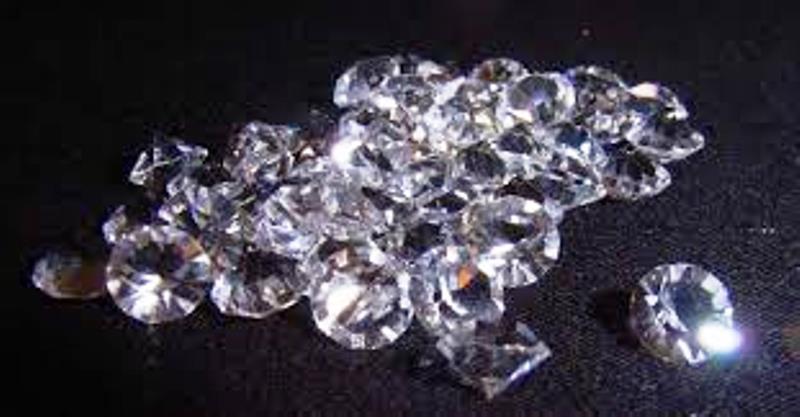
There are endless books about the purported power of crystals. Walk into your local arcane store and the chances are that there will be a display of crystals, with little cards under each one, telling you just what their capabilities are.

Many healers, psychics and clairvoyants use crystals as part of their rituals and some will cheerfully tell you that they have selected a specific crystal for its abilities in that situation. Perhaps because of their appearance and sheen, crystals have been thought to have powers for thousands of years, even appearing in mythology legends across the world. But how is it that these inanimate objects are blessed with apparent abilities?

More than a lump of rock?

The answer is that they don’t: crystals have no supernatural abilities at all. It is known that, like all matter, they vibrate at a particular frequency; physics tells us that all matter is merely energy slowed to a very low vibration, but the frequency at which crystals do so is so low and limited that there is virtually no chance that they can have an effect on us.

This discounts any radioactive material; we’re talking about the common, crystalline rocks that are used on a daily basis by healers and psychic practitioners. So, if they are not the powerful sources of energy that they are supposed to be, why does anyone bother using them at all?

Electricity and crystals

The answer lies in what we do know about crystals. In the mid-18th Century, Carl Linnaeus and Franz Aepinus discovered that crystals can act as storage cells for certain forms of energy. Piezoelectricity is the electric charge that accumulates in certain solid materials, most notable crystals – and was successfully demonstrated by Pierre and Jacques Curie, in 1880. A crystal’s geometric, regular structure makes it the perfect holding tank for electric charges.

As an example, consider quartz crystals used in watches. When compressed or bent, quartz, along with many other crystals, generates an electric charge. Quartz was deemed perfect for the job of timekeeping, due to its type and frequency; it’s also used to give an accurate frequency for radio receivers, transmitters and computers.

We now know that crystals have amplificatory and focusing qualities, being able to increase the intensity and potency of particular energies. When we consider this in conjunction with their use in psychic practices, the reasons for using crystals becomes much more apparent.

Theta brainwaves

Clairvoyants, healers and those with psychic abilities generate energy on a level that is undetectable to most of us. Healers channel these energies into the bodies of their subject to engender a healing environment, psychics extend their energies to tap into the subconscious aspects of their clients and clairvoyants are able to direct their energies to a higher plane to make contact with the residual energies left by the spirits of those who have moved onto the other side.

In short, the majority of psychic activity is about the generation, extension or exchange of energy. These energies are much more than a simple belief; they have been recorded on brain monitors and are known as the Theta State. In order to generate psychic energy, the brain must be generating at four to five cycles per second. The Theta State has been the subject of major research and was the basis of many investigations during the notorious MK Ultra research project.

Adding a flavor to energy

Just as we can use convex glass to focus the rays of the sun and maximize their intensity, psychics use crystals to similar effect. Unless the medium or psychic has mastered the ability to enter the Theta State, most psychic energies are unfocussed and difficult to use. Because of this, many psychics use crystals to ensure that the energy they generate is properly harnessed, amplified and focused. However, if crystals are little more than conductors of energy, then why do psychics like to use particular crystals for particular tasks?

The notion that certain crystals have certain abilities is another example of where jargon and fact can muddy the waters and confuse the facts. Those who rely on New Age Speak would have is believe that crystals are somehow sympathetic to certain ailments, either on a psychic or physical level. This suggests that crystals are somehow sentient or possessed of an attitude that allows them to work on certain problems.

The truth, while, again, it might sound a little less esoteric, is much simpler to grasp. As we have seen, quartz was chosen for a particular purpose because of its abilities to channel energy at a particular frequency. It is the best suited to that job, because the frequency it can transmit at is relevant to its purpose. Likewise, other types of crystal, due to their geometric construction and the geological influences that make up that structure, also work at particular frequencies.

Wittingly or otherwise, psychics have determined which crystals work with which conditions. It may well be that crystals add something of their own scientific character to the energies that pass through them, just as water passing through a copper pipe will become tainted with the taste of metal and even absorb some of the mineral and metallic deposits offered up by the copper case.

Amethyst

Amethyst is one of the most popular crystals used by healers and it is believed to be able to exert influence over problems of addiction. However, the energy generated by the psychic isn’t specifically attuned to dealing with that problem; only by passing it and focusing it through the appropriate crystal will that energy have any potency. The psychic’s energy passes through the crystal and is focused to the frequency that amethyst uses, as a result of its geometric structure.

In addition, any other compounds or naturally occurring residues that are harbored within the crystal’s structure will also have an effect on that energy, making it more pertinent to the job in hand. The crystal itself remains nothing more than a conduit, but the elements that make it up may well be able to be used to fight addictive problems, particularly because they cannot yet be synthesized into another form. Combined with energy that is generated from someone who is trying to help another, crystals can be used to add their own ‘flavor’ to that energy, making it more potent for particular situations.

Four Rules for Living

Pain-Free-With-OsteopathyBy: Dr. Wayne W. Dyer / Source: Heal Your Life

Some 2,500 years ago, Lao-tzu spoke of “the four cardinal virtues” and noted that when we practice them as a way of life, we come to know and access the truth of the universe. These four virtues don’t represent external dogma, but a part of our original nature—by practicing them, we realign with Source and access the powers that Source energy has to offer.

According to the teachings of Lao-tzu, the four cardinal virtues represent the surest way to leave habits and excuses behind and reconnect to your original nature. The more your life is harmonized with the four virtues, the less you’re controlled by the uncompromising ego.

The First Cardinal Virtue: Reverence for All Life

The first cardinal virtue manifests in your daily life as unconditional love and respect for all beings in creation. This includes making a conscious effort to love and respect yourself, as well as to remove all judgments and criticisms. Understand that you are a piece of God, and since you must be like what you came from, you are lovable, worthy, and Godlike.

Affirm this as often as you can, for when you see yourself in a loving way, you have nothing but love to extend outward. And the more you love others, the less you need old excuse patterns, particularly those relating to blame.

The Second Cardinal Virtue: Natural Sincerity

This virtue manifests itself as honesty, simplicity, and faithfulness; and it’s summed up by the popular reminder to be true to yourself. Using an excuse to explain why your life isn’t working at the level you prefer isn’t being true to yourself—when you’re completely honest and sincere, excuses don’t even enter into the picture. The second virtue involves living a life that reflects choices that come from respect and affection for your own nature. Make truth your most important attribute.

Walk your talk; that is, become sincere and honest in all that you say and do. If you find this to be a challenge, take a moment to affirm: I no longer need to be insincere or dishonest. This is who I am, and this is how I feel. When you know and trust yourself, you also know and trust the Divinity that created you. If you live from honesty, sincerity, and faithfulness to the callings of your spirit, you’ll never have occasion to use excuses.

The Third Cardinal Virtue: Gentleness

This virtue personifies one of my favorite and most frequently employed maxims: “When you have the choice to be right or to be kind, always pick kind.” So many of your old thinking habits and their attendant excuses come out of a need to make yourself right and others wrong. When you practice this third virtue, you eliminate conflicts that result in your need to explain why you’re right. This virtue manifests as kindness, consideration for others, and sensitivity to spiritual truth.

Gentleness generally implies that you no longer have a strong ego-inspired desire to dominate or control others, which allows you to move into a rhythm with the universe. You cooperate with it, much like a surfer who rides with the waves instead of trying to overpower them. Gentleness means accepting life and people as they are, rather than insisting that they be as you are. As you practice living this way, blame disappears and you enjoy a peaceful world.

The Fourth Cardinal Virtue: Supportiveness

This virtue manifests in your life as service to others without any expectation of reward. Once again, when you extend yourself in a spirit of giving, helping, or loving, you act as God acts. As you consider the many excuses that have dominated your life, look carefully at them—you’ll see that they’re all focused on the ego: I can’t do this. I’m too busy or too scared. I’m unworthy. No one will help me. I’m too old. I’m too tired.

Now imagine shifting your attention off of yourself and asking the universal mind How may I serve? When you do so, the message you’re sending is: I’m not thinking about myself and what I can or can’t have. Your attention is on making someone else feel better.

The greatest joy comes from giving and serving, so replace your habit of focusing exclusively on yourself and what’s in it for you. When you make the shift to supporting others in your life, without expecting anything in return, you’ll think less about what you want and find comfort and joy in the act of giving and serving.

The four cardinal virtues are a road map to the simple truth of the universe. To revere all of life, to live with natural sincerity, to practice gentleness, and to be in service to others is to replicate the energy field from which you originated.