6 Mindful Ways to Calm Your Mind and Heal Your Heart

heartBy: Denise Conway / Source: Tiny Buddha

“We do not heal the past by dwelling there; we heal the past by living fully in the present.” –Marianne Williamson

As the last moments of my thirties are fading away, I’m preparing for the dawn of a new age, the age at which life is said to begin.

I’m like a butterfly preparing to break free from her chrysalis into the light, ready to spread her wings and feel what it is to be free—a freedom that has been born from six long months of deep introspection.

The catalyst for this journey of introspection was the breaking of my heart. Such a wonderful thing to experience at this stage in life, as without breaking it completely, it would never have opened.

It was hardened from many old wounds, scars from a turbulent past. It was shattered with such astounding glory that it felt as though I would remain forever broken. Forever disconnected from myself and the wonder that lives inside each and every one of us.

As I watched the pieces of my hardened heart crumble to dust, I found something buried deep within. A consciousness that I had never before felt or experienced, and yet felt very familiar. I stood in this new found consciousness and witnessed the feelings, the pain, the fear.

I witnessed them with great clarity as though I had been awakened for the first time. Thirty-nine years had passed since my birth and yet I stood in the wake of my heartache feeling like I had been awoken from the deepest life-long sleep.

Within a few days of this awakening, I found myself walking through the doors of a yoga studio that I had not visited before. Something about the ambiance made me feel like I had come home.

I paid for the next available class—Energize Yoga. This was a Kundalini yoga class, a style I had never tried before. The class involved a lot of breathing with rhythmic movement.

We all lay on our backs with legs and arms raised in the air. We were instructed to shake our legs and arms from side to side to the beat of some loud dance music which was getting faster and faster.

All the while we had to breathe out forcefully; this was difficult and made no sense to me.

After five minutes of this nonsense, the music stopped. We were instructed to put our legs and arms down and to laugh as hard as we could. It was easy to laugh, as what we had been doing seemed a little crazy; however, I was not prepared for the laughter and what it would bring.

The energy that spilled out of my body as my laugh got deeper was like the pulse of electricity straight from a socket, almost causing my core muscles to spasm. I laughed a loud bubbly laugh which came all the way from the very core of my being.

I left the studio with a monthly pass and a renewed enthusiasm for life. My heart was still broken, my senses still in shock, but the clarity of vision in my newly awakened state made it feel like I was watching the chaos as an observer rather than being consumed by it.

I could still feel panicked waves of desperation pulse through my body. Depressed at what had passed and anxious at what was yet to come, I could see clearly that there was fear deeply rooted in my soul.

The pain, the fear, the anxiety, it made me want to climb out of my own skin. To seek refuge in some external place as though my body were just an avatar. As I witnessed all these feelings and emotions wash over me in waves, I felt something was profoundly different.

I’d dealt with previous heartbreaks by suppressing the painful feelings or distracting myself with work, parties, and avoidance of time alone. This time was different. Instead of suppressing the feelings or distracting myself, I allowed myself to just be.

I still felt afraid. Afraid of living, afraid of dying, afraid of my pain, afraid of my emotions. On a cold morning in February, I decided to symbolically challenge my fears. I had a fear of height and of open water.

I travelled back to Ireland, and with the guidance and encouragement of two dear friends, I jumped from a pier into the icy cold waters of Carlingford bay. As I emerged from the icy cold waters, I again felt very alive.

I proved to myself that no fear is greater than the strength within. I knew then that I would be okay, maybe even better than okay. My life would never be the same again.

When my heart broke, I woke up and found myself. In losing a love that meant everything to me, I found that everything I need is within me and always has been.

I stopped looking outwardly for approval. I dove into myself. I dug up all that I had buried, every skeleton in my closet. I looked face-on at the parts of myself that I didn’t like. I opened every wound I had ever allowed myself to carry.

I walked myself through every negative memory and imagined I were back there in that day/time when the memory was my reality. For each and every situation I observed through my new found consciousness, I could clearly see my part.

I accepted responsibility for my part in all of these situations. I sat with every emotion that came my way, not judging or criticizing, just observing and allowing it to just be.

I cried when I needed to cry, laughed when I felt like laughing and felt more peaceful with each passing day.

I began meditation in April and found that it brought a calmness and sense of peace that was new to my experience. Epiphany after epiphany came to me as I learned about myself and my layers.

I continued to do yoga and meditation while working through the rainbow of emotions that made up my day. The flip-flopping between my past and my future slowed as I found myself becoming more present and living in the moment.

The more at peace I have become, the more I want to share what I have learned, as I believe everyone deserves to feel this peace.

1. Start with your breath.

A great way to become conscious when your mind starts to wander is to focus on your breath.

You can practice yogic pranayama exercises with the guidance of a good teacher but more basic than that, just stop and breathe! Deep calming breaths are proven to calm an anxious mind and have a positive impact on depression.

2. Observe your thoughts.

The mind is constantly full of thoughts. Attaching to negative thoughts creates suffering. Remember that just because you think something doesn’t mean that it’s true. Byron Katie’s four questions can be a helpful tool when dealing with negative thoughts.

3. Remember that you are not your emotions.

Regardless if how high or low you feel, the roller-coaster of emotions you feel is not you. You are much more than that.

Try to stop when you feel overwhelmed by emotion. Observe how your body feels. Are your shoulders tense? Is your breathing shallow? Come back to your breath. Breathe into the parts of the body where you feel the physical expression of the emotion.

4. Stay in your present reality.

The more present and mindful you can be, the less you will suffer. A good practice for mindfulness is to do regular things differently. Hold your toothbrush in the alternate hand. Drive a different route to work. Switch your knife with your fork. You get the idea!

When you stress over the past or worry about the future, stop! Breathe and come back to the present. Remember always that this too shall pass.

5. Validate yourself.

Don’t look to others for validation. Everything you need is inside you. Forgive yourself for your wrongdoings. Give yourself all the love you need. If you have difficulty with this, treat yourself as you would your dearest friend.

I was my own worst critic and harshest judge until I began to practice self-validation and self-love.

6. Be patient and persistent.

Healing your heart won’t happen overnight. We are creatures of habit; negative habits take time to break. Rewriting of neural pathways takes time. Your body and mind need time to adjust when you make changes.

When you feel like you have taken a step backwards, just breathe and reconnect with yourself. The duality that exists between the heart and the mind can be bridged once you remain conscious and aware. Persistence will keep you on the right track.

As I write this, I feel excited for the life ahead—ready for the highs and the lows, and willing to greet each situation from a conscious state in the present moment.

I am opening my heart to the world, a heart that has come back together from the dust, void of past scars. Ready to live, ready to love, ready to breathe!

6 Things Your Soul Wants You to Know

r1031036_11792420By: Katrina Cavanough / Source: Wake Up World

We all wander through life searching for a higher purpose. We live with the same questions. Who are we? Why are we here? What are we meant to be doing? Am I living my best life?

Throughout my life I have pondered these questions. My experiences with over 400 deaths as a frontline social worker in a busy ER gave me the greatest insights and new understandings about death, dying and how the soul wishes to express itself in life.

Each life experience is an invitation to live as closely as possible to your soul’s true essence.

To help you to do that – this is what your soul wants you know…

1. You are OK just as you are.

The main goal of life is to not really change, grow or transform yourself. It is to be at peace with who you are at any given moment despite what you have done or not done; said or not said.

Transformation is a choice we all have, but from the soul’s perspective, it is not the greatest priority.

2. Your soul invites you to view yourself through a lens of understanding.

While the way we respond to events in our life holds significance to some of our happiness, more important are the thoughts you have toward yourself as you critique whether you handled your response to a situation well.

Too often we criticize ourselves for not handling a situation well. Thoughts such as, “Why on earth did I say that?“ or “I was just way too emotional for that situation” are some common examples.

Your soul is calling you to view yourself kindly and instead say to yourself, “I did the best I could at the time based on what I knew and my best was good enough”.

3. Your soul wants you to know that you are meant to feel deeply.

We are not here to brush over our experiences, but to experience our emotions and listen to our feelings as they guide us either closer to, or further from, what is best.

4. You are here to attune yourself with the good, the brightest, best and most delightful.

We are here to know the delights, feel the lightness and most of all, to know love, kindness, compassion and joy.

5. You are here to experience life. What that means is completely up to you.

It is not so much about what you experience, but the way you feel about yourself as you experience that matters most.

There are many of us who experience great success for example, but we don’t allow ourselves to actually feel and breathe in the bounty of what we have achieved. Instead we just tick that box and move forward to the next goal.

Life is not meant to be lived this way. We are here to immerse ourselves in each and every experience and feel the greatness of who we are as we live each day.

6. Your soul wants you to know stillness.

When we are still, we can truly listen. As we listen we open ourselves to understand and it is within the stillness that we can feel the greatest connection to our soul’s wisdom.

That is why meditation, being still in nature and finding a quiet moment for ourselves feels so appealing. They are opportunities to connect with who we truly are. Kind, compassionate, gentle and wise.

We just have to listen.

11 Must-Have Healing Remedies

By: Megan / Source: Care 2

Peeked inside your medicine cabinet lately? Chances are — even if you eat locally, compost food scraps, and clean with nothing but vinegar and baking soda — its contents are a medicinal flashback to your childhood.

“When it comes to our medicine cabinets, it’s habitual to reach for over-the-counter drugs,” says Madelon Hope, M.Ed., LMHC, a clinical herbalist and director of the Boston School of Herbal Studies.

“These medications are the ones our mothers gave us, and those memories condition our responses today.”

If this sounds like you, it’s time for a bathroom-cabinet makeover.

While there are times you may still want to use conventional meds, such as ibuprofen and antibiotic ointment, natural remedies can be just as fast and effective as over-the-counter fixes — sometimes more so.

Best of all, they often have far fewer (if any) pesky or potentially harmful side effects.

You don’t have to replace everything in your cabinet all at once, of course, and not every natural remedy is right for everyone.

But if you’re looking to transform your medicine cabinet from retro-conventional to at least partially au naturel, here are a few items you’ll want to consider keeping within reach.

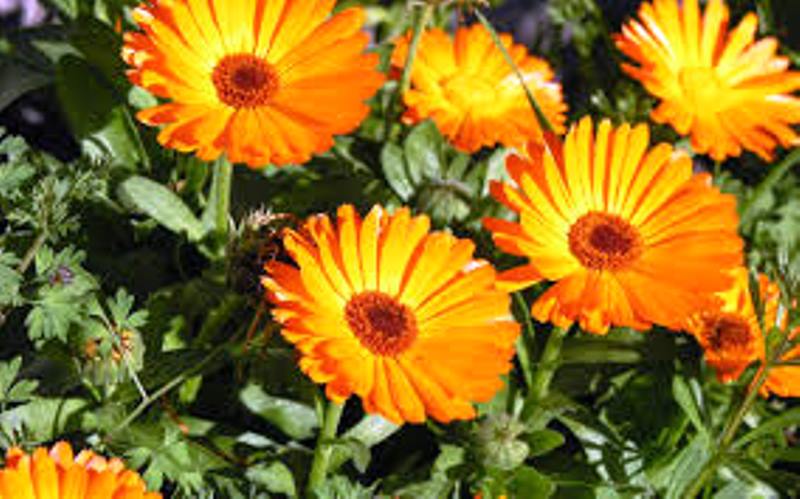
Calendula CreamCalendula Cream

Good for: Insect bites, stings or skin irritation

Because: Calendula (made from marigolds) is a centuries-old remedy for any skin itch or ouch, from bee stings to sunburn to eczema. The plant’s skin-relieving properties come from its mixture of essential oils, which are both antimicrobial and anti-inflammatory.

How to: Apply an ointment containing 2 to 5 percent calendula, as needed, up to four times daily.

Tip: If you have ragweed allergies, apply a dime-size test patch the first time and watch for an allergic reaction (red or itchy bumps).

Why? Because calendula (i.e., marigolds) and ragweed are both members of the Aster (Compositae) family and may cause an allergic reaction in those who are hypersensitive.

Lavender & Tea Tree OilLavender & Tea Tree Oil

Good for: Cuts, burns, athlete’s foot, minor infections or as a natural disinfectant

Because: Both are natural antiseptics, so they are great for killing germs, and each has its own medicinal prowess. Although best known for its relaxing aroma, which is proven to quell anxiety, lavender can also cool the pain of minor kitchen burns and sunburns, as well as prevent scarring.

Meanwhile, tea tree oil is an equally powerful disinfectant, so a drop or two of essential oil can be smoothed onto cuts to stave off infection. Plus, its antifungal properties make it a natural weapon against the common toe fungus that causes athlete’s foot.

In one randomized, double-blind, placebo-controlled study, tea tree oil was more than twice as effective as a placebo in relieving the burning and itching of athlete’s foot.

How to: Both essential oils are natural antiseptics, and too much may dry the skin, so use sparingly.

Tip: Add a few drops of lavender and tea tree essential oil to a spray bottle filled with water to make a disinfecting spritz for countertops, doorknobs and even yoga mats.

Arnica TabletsArnica Tablets and Cream

Good for: Bruises, bumps, muscle aches and sprains

Because: Arnica is made from extracts of the mountain daisy, a flowering plant common at high elevations in Europe. Reportedly, the herb’s healing properties were discovered when people noticed that mountain goats nibbled on the plant after a bad fall.

Quaint as that sounds, arnica has some serious scientific backing. Studies show that an active component in arnica, called helenalin, impedes the body’s inflammatory response to injury by preventing the release of an immune system regulator called NF-kB.

One caveat: The plant itself can be toxic, so use only arnica gels and tablets, not the raw herb.

How to: For whole-body trauma, like after surgery, or widespread muscle aches, take five tablets of homeopathic arnica four times daily until you experience relief.

For a milder, more isolated injury, like a bruise or sore muscles, apply topical arnica cream or gel as soon as possible and repeat three to five times daily until pain, bruising and swelling are gone.

Tip: Hope recommends arnica tablets labeled 12X, which are available commercially. If you can find 6X tablets, even better — they pack a more powerful punch.

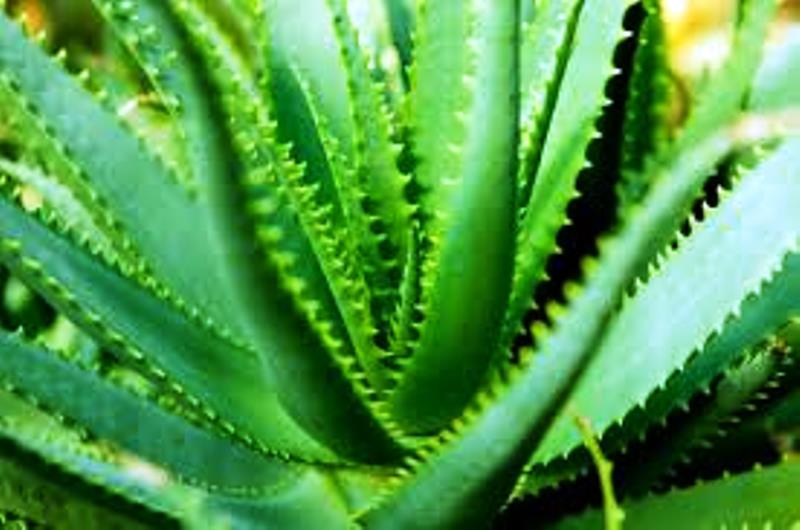
Aloe VeraAloe Vera

Good for: Mild to moderate sunburn and household burns

Because: Aloe vera gel soothes and cools the surface of the skin, calming the heat and irritation of a burn. The viscous juice of the aloe vera plant contains natural inflammation fighters, called salicylates.

As pain and swelling subside, other aloe ingredients (a.k.a. polysaccharides) goad the body into making antibodies, which speed healing.

Petri-dish studies show that regenerating skin cells, called fibroblasts, reproduce up to four times faster when treated with aloe vera. “When it comes to sunburn, aloe vera works beautifully,” says Jacob Teitelbaum, MD, author of Pain Free 1-2-3 (McGraw-Hill, 2004).

How to: Slather aloe vera gel onto a sunburn or minor kitchen burn every couple of hours until heat dissipates and pain lessens. Look for ingredient lists with aloe vera near the top.

Aloe vera gels can be naturally drying, so you might want to apply a moisturizer once the aloe has done its job. (Particularly for burns, avoid aloe products with alcohol, which can further dry out the skin.)

And skip the day-glo green aloe vera gels, which are laced with artificial colors.

Tip: It won’t fit in your medicine cabinet, but if you’re willing to think outside the box, keep an aloe vera plant in the kitchen. For burns, clip segments from the oldest, bottom-most leaves (so you don’t stunt the plant’s growth) and slather the juice on your red, inflamed skin.

It should quickly relieve the pain. If the pain returns, simply clip another segment and apply more gel.

EucalyptusEucalyptus Essential Oil

Good for: Upper-respiratory infection

Because: Squeezed from the leaves and branch tips of eucalyptus trees, eucalyptus oil also has antibacterial, antifungal and anti-inflammatory properties, all of which may help fight off infection and speed recovery.

Eucalyptus oil is also an expectorant, meaning it helps expel mucous from the lungs.

How to: Put two or three drops of eucalyptus essential oil in a pot of boiling water and inhale the steam. For children with chest colds, add a few drops to a vaporizer and run it in their bedroom at night.

During the day, a couple of drops of essential oil placed under the nose can keep congestion at bay. Smell familiar? Eucalyptus owes its activity to menthol, a key ingredient in most vapor rubs.

Tip: A little eucalyptus oil goes a long way. Too much of any essential oil can be a skin irritant, so use sparingly as a topical treatment.

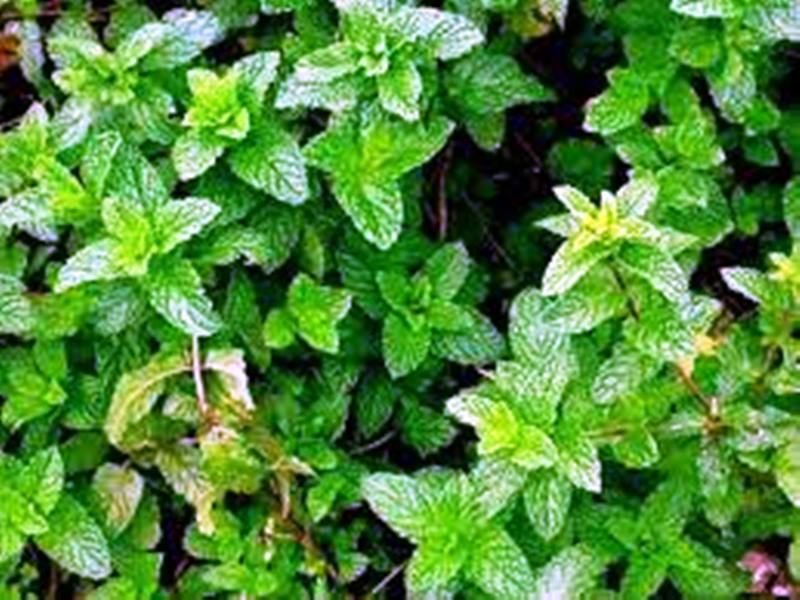
PeppermintPeppermint Tea, Tablets and Essential Oil

Good for: Stomach cramps and bloating (use tea or tablets), as well as aches and pains including headaches (use essential oil)

Because: Topically, in small doses, peppermint oil eases the pain of sore muscles and headaches by stimulating nerve receptors on the skin, which override pain signals, says Teitelbaum, who serves as medical director of the national Fibromyalgia & Fatigue Centers.

“There is only so much signal that can travel along any given nerve, and I’d rather have a minty-fresh signal than an ouch signal.”

Internally, peppermint can be inhaled, tossed back in a tablet or sipped as a tea. For a stuffy nose, a few drops of peppermint essential oil in a vaporizer can ease breathing.

For stomach troubles after a meal, a simple cup of peppermint tea aids digestion and supports the breakdown of food.

For intestinal problems, though, peppermint tablets are best. Peppermint is a muscle relaxant, so the herb can relax muscles that are prone to cramping during digestion.

In a 2007 study published in the journal Digestive and Liver Disease, patients with IBS who swallowed peppermint capsules one hour before eating felt a 75 percent reduction in symptoms, compared with only a 38 percent drop for those who popped placebos.

One caveat: If muscle-relaxing peppermint oils come into contact with the esophageal sphincter, they can cause it to loosen up, which can lead to heartburn.

The fix is to use enteric-coated peppermint capsules, which protect the esophagus on the way down and get the cramp-relieving oils where they need to be — in the colon, explains Jamey Wallace, ND, clinical medical director of Bastyr Center for Natural Health in Seattle, Wash.

How to: For tension headaches, massage two to four drops of peppermint oil into the skin of the forehead (more than that can be irritating when applied directly to the skin). To soothe a cough, squeeze three to four drops of peppermint oil into hot water or a vaporizer and inhale the steam. For digestion, drink a cup of peppermint tea after a meal. And, if you’ve been diagnosed with an irritated colon, try enteric-coated peppermint tablets and follow instructions on the label.

Tip: Mark Blumenthal, executive director of the American Botanical Council, likes to keep peppermint spirits handy for a quick stomach soother. A blend of peppermint leaf extract and peppermint essential oil, peppermint spirits offer fast-acting relief from both stomach upset and gas. Place a dropper’s worth of spirits in a glass of water and drink up.

Oscillococcinum

Good for: Relieving flu symptoms

Because: This homeopathic flu remedy contains a highly diluted concentration of the virus (so diluted, in fact, that no clinically testable trace of the flu is in the final formula), which sparks the body’s immune system to fight off the bug.

Several studies have shown that oscillococcinum not only lessens the severity of flu symptoms but also shortens their duration.

The latest research, published in the British Homeopathic Journal, found that nearly 63 percent of people who took oscillococcinum within 24 hours of flu onset showed either “clear improvement” or “complete resolution” within 48 hours.

Homeopathy works on a different set of principles than conventional medicine — its basic approach is that “like treats like” — therefore, randomized-controlled trials (the gold standard of Western medicine) are difficult to design.

“Even though the remedy only contains an energetic imprint of the flu,” says Wallace, “the body summons the immune system to respond to the virus to fight it off.”

Farfetched though it may seem, some doctors are keeping a more open mind about homeopathic remedies these days. Mehmet Oz, MD, appeared on Oprah a few years ago and touted energy medicine (which includes homeopathy) as the next big frontier in modern medicine.

How to: Like any flu-preventative, oscillococcinum works best if taken early, preferably within 24 hours of experiencing bodywide aches, fever and runny nose. Again, follow instructions on the label.

Tip: Substances such as caffeine, chocolate, mint and menthol are thought to dampen the power of homeopathic remedies, so try to avoid them while using oscillococcinum.

Valerian Capsules or Tincture

Good for: Insomnia

Because: Used as a sleep aid since the times of the ancient Greeks, valerian is one of the best-studied herbs for insomnia.

A stack of studies show that valerian shortens the time it takes to fall asleep without leaving you with any of the “hangover” side effects common with prescription sleep aids.

Exactly how valerian works is unclear. Like most plant-based remedies, it’s probably a combination of factors. For instance, animal studies indicate valerian’s volatile oils have sedative properties.

Other studies show the herb tricks the brain into releasing more GABA (gamma-aminobutyric acid), a calming neurotransmitter, before blocking it from being sucked up by nerve cells, so the GABA continues to circulate and encourage sleep.

How to: The herb’s potency varies depending on the product, so it’s best to follow dosage instructions on the label. A common therapeutic dose is 300 mg of standardized (0.5 percent essential oil) valerian extract.

Instead of taking it all at once, you might take three 100-mg capsules over the course of the evening to gradually ease your body into sleep mode.

Or, if using a tincture (a concentrated, liquid form of the herb), dilute a dropper’s worth of valerian in a cup of water and drink one dose after dinner and another before bed.

Madelon Hope advises keeping either a valerian capsule or diluted tincture by the bedside for middle-of-the-night wakeups.

Tip: In about 10 percent of people, valerian actually creates restlessness and anxiety, so take a fraction of a dose the first time to make sure you’re not one of the unlucky few.

Rescue Remedy

Good for: Anxiety, emotional upset or panic

Because: Rescue Remedy, the most popular of the many flower remedies, is a blend of five different flower essences, each countering a particular type of stress.

Flower remedies are made mostly from wildflowers infused in water, then filtered and preserved with equal parts brandy. Medical evidence detailing if and how flower essences work is sparse, but that doesn’t keep many integrative physicians from swearing by them.

“Flower remedies fall under the art of medicine and the heart of healing,” says Teitelbaum. “Who the heck knows how they work, but they do.”

How to: To manage everyday stress, place four drops on the tongue three or four times a day. Or dilute the drops in a glass of water and sip throughout the day. For acute stress or anxiety, take four drops every 20 minutes until feelings subside.

Tip: One of the biggest perks of flower essences is that they have absolutely no side effects. Alcohol-free versions of Rescue Remedy are available for children and pets.

Andrographis Paniculata Tincture

Good for: Fighting off colds

Because: An immune-enhancing herb common in traditional Chinese medicine, Andrographis paniculata is a potent infection-fighter. In a review of 11 double-blind, placebo-controlled studies, Andrographis paniculata repeatedly curtailed cold and flu symptoms.

In one of the best studies to date, the herb outperformed placebo by squelching cold symptoms, including headache, runny nose and sore throat.

How does it work? “Like every herb, Andrographis paniculata has many, many active constituents,” says Hope, “but a big part of its usefulness are powerful antimicrobial substances.”

How to: A dose of Andrographis paniculata is 400 mg three times a day.

Tip: If a cold feels imminent, choose a tincture over a capsule or tablet, says Hope. Tinctures are easily absorbed by the body; therefore, they get to work faster.

“When I’m on the threshold of a cold, three to four dropper’s worth of Andrographis in a glass of water a day is very effective.”

Dr. Schulze’s Intestinal Formula #1

Good for: Occasional constipation

Because: This product packs a virtual who’s who of the herbal laxative world, with two varieties of aloe leaf extracts as its top ingredients, followed closely by senna leaf and cascara sagrada, two lesser-known bowel-movement helpers.

Aloe, although best known as an external salve, has a long history as a laxative, too. Plant compounds in aloe stimulate the inner lining of the colon, upping what experts aptly call the gut’s “transit time.”

While supplements containing aloe, such as Dr. Schulze’s Intestinal Formula #1, definitely get the job done, it’s important to use them cautiously and to follow their directions to the letter.

Overdoing any laxative can lead to diarrhea and dehydration.

How to: Follow the directions on the label exactly, building dosage a capsule at a time until the desired effect is achieved. Not for daily use. See package for other contraindications.

Tip: Aloe works, in part, by slightly irritating the gut, thereby loosening stuck material and encouraging the lower bowel to move, so steer clear of aloe products if you have an inflammatory bowel disease, such as Crohn’s.

Also avoid taking this product if you will be far from a bathroom, since the need to eliminate can come on suddenly.

Stocking your medicine cabinet with natural cures is a safe, practical way to prepare for life’s little accidents, infections and intermittent health challenges.

It’s important to choose products you feel comfortable with, though, and it’s fine to steer clear of any products whose claims seem overblown, or whose ingredients give you pause.

While you’re experimenting, continue stocking those tried-and-true conventional remedies that give you both good results and peace of mind.

Over time, you’ll discover which new natural favorites complement your cache of conventional standards, and which of them might eventually take their place.

And if reaching for plant-based remedies feels a little strange at first, take comfort in the fact that many modern pharmaceuticals still depend on natural ingredients as a basis for their formulations.

“Plant-based remedies got our ancestors through centuries of coughs, colds and infections,” says Blumenthal. And they are still doing that same job today.


Spiritual Nourishment: How Eating Impacts Your Soul

fruits and veggiesBy: Victoria Moran / Source: Cleveland Clinic  Wellness  

There is an old Bavarian saying: Eating keeps body and soul together. Evidence now suggests that our spiritual lives impact our relationship with food and that the foods we eat can affect our spiritual sensibilities.

Dine Like a Yogi

The ancient seers who developed yoga may have been the world’s first nutritionists, looking for a diet that could contribute to both health of body and peace of mind.

They determined that aged, stale, overcooked foods led to lethargy and laziness, while caffeine, hot spices and even an excess of animal protein created a level of stimulation that was antagonistic to the spiritual life.

They suggested instead a diet comprised primarily of fresh vegetables, whole grains, fruits, beans, nuts and “milk from healthy cows.”

This is surprisingly close to today’s cutting-edge nutritional recommendations that call for eating five to 10 daily servings of fresh fruits and vegetables, consuming minimally refined grains (oatmeal, 100 percent whole-wheat bread and brown rice) and choosing plant protein options (e.g., garbanzos, lentils and soy products, such as edamame and tofu) several times a week.

Moderation and Mindfulness

Add a yogic exercise program to a yogic diet and you may find yourself eating more moderately. Researchers at the Fred Hutchinson Cancer Research Center in Seattle found that “mindful eating” is one of yoga’s welcome side effects.

The study showed that students’ awareness of both why they were eating and when they’d had enough led to less weight gain over time, independent of calories burned doing yoga.

Head researcher Alan Kristal, DrPH, of the University of Washington School of Public Health says, “This ability to be calm and observant during physical discomfort [i.e., maintaining a difficult yoga posture] teaches how to maintain calm in other challenging situations, such as not eating more, even when the food tastes good and when you’re not hungry.”

For yogis and the rest of us, selecting fresh, colorful, whole foods may well improve both physical and spiritual health. “Choosing foods that are alive, full of energy and harvested in a peaceful way nurtures our entire being,” says theologian Norris Chumley, PhD, the author of The Joy of Weight Loss: A Spiritual Guide to Easy Fitness. “We feel fully alive, energetic and peaceful from eating in a healthy, conscious way.”

Invite Your Soul to Dinner

Even in our busy lives, there are some easy ways to make mealtime a nourishing experience on every level. Try these:

• Prepare food mindfully. The Sikh tradition suggests that the cook pause for a moment at the kitchen door to be sure she (or he) is in a calm frame of mind and “worthy” of the sacred task at hand.

If one’s spiritual state isn’t up to par, the recommendation is to spend a few minutes in prayer or taking a meditative walk before fixing the meal.

• Honor your body with the foods you select. To support and sustain the very best life, choose the very best food to support and sustain you. Try to eliminate snack foods and eating on the run.

Select seasonal produce and center meals around health-supporting, low-cost staples, such as brown rice, red beans, split peas, carrots, yams, greens, apples, citrus fruits and bananas.

• Base your diet on fresh, natural foods. “Eating is an agricultural act,” says social critic Wendell Barry. Get a visceral understanding of what this means — that food really is a gift from nature — by growing a garden, or even a tomato plant on the balcony, or sunflower sprouts on the kitchen counter.

Shop at farmers’ markets and talk to the people who work the land. Join a CSA (Community Supported Agriculture), where you purchase a share in a small local farm for the season.

In these ways, you’ll develop an appreciation for whole, basic foods, making it easier to keep the packaged, processed foods in the occasional-treat category.

• Say grace at mealtimes. Grace doesn’t have to be a religious prayer. A word of appreciation, or a moment of silence before eating, calms the mind and gets you ready to enjoy a relaxed lunch or dinner. This leads to eating more slowly and feeling more satisfied.

Fit From Within

If food is often too much of a good thing in your life, drawing on your spiritual reserves can help you stay moderate and not feel deprived.

An article in Alcoholism Treatment Quarterly stated, “Those with smoking, alcohol and eating addictions who have been trained in meditation break their addictions with significantly lower relapse rates than those receiving standard therapies.”

It makes sense, then, that Overeaters Anonymous bases its program on the Twelve Steps, originally developed by Alcoholics Anonymous.

These famous steps are simply a nondenominational, spiritual action plan that includes turning things “over to the care of God, as we understood Him,” helping others and practicing prayer and meditation.

Cravings can sometimes be stopped in their tracks with a few minutes of quiet contemplation, or by writing a gratitude list, e.g., “I’m grateful for (a) my dog, (b) easy traffic this morning, (c) the fabulous book I’m reading….”

We can also take the focus off ourselves (and the candy machine) by doing a good turn for another person.

When it is time to eat, enjoy without overdoing it. See every meal as a tiny celebration. Put your morning OJ in a wineglass. Take lunch to the park instead of staying at your desk.

And for dinner, why not pull out all the stops? Use the good dishes more often (what are you saving them for?), and put flowers on the table whenever your roses are in bloom or daisies are on sale at the store.

Keep the conversation light, and if you’re dining by yourself, take the opportunity to focus on the tastes and textures of the food — it’s a very different experience from inhaling a meal before you rush to your next commitment.

Alone or in company, put your fork down between bites. And say, “This is really good!” whenever the spirit moves you.